After the Baby: Blues, Depression and When to Call
Based on National Institute of Mental Health, Perinatal Depression (revised 2023)
9 cards. Swipe or tap to see the next one.

Mood changes after birth are common. How the baby blues differ from postpartum depression, why it is never your fault, how partners are affected and when to get help.
Need to Talk to Someone?
In-person in West Ashley or telehealth statewide across South Carolina.
In this guide
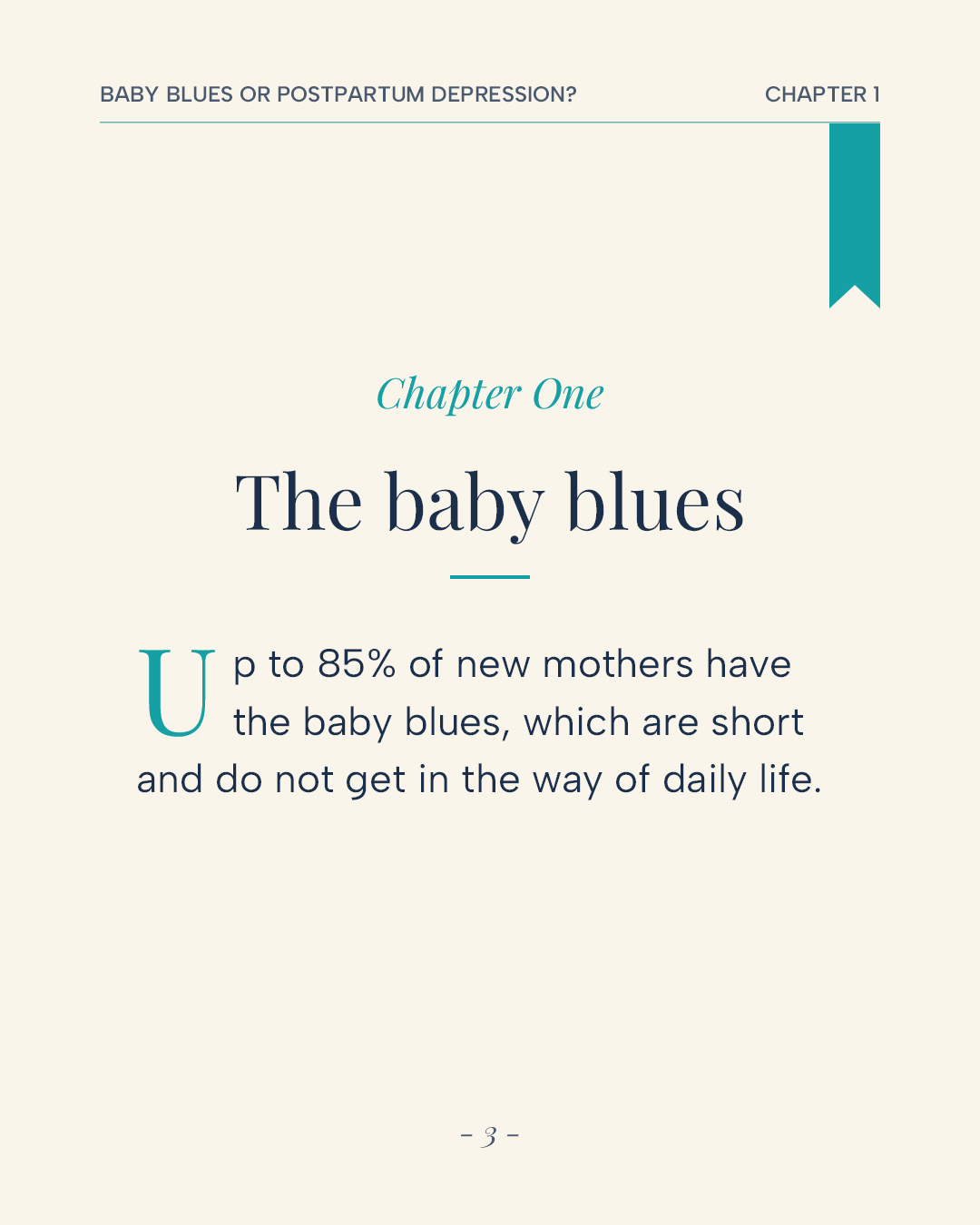
The baby blues
- Up to 85% of new mothers have the baby blues, which are short and do not get in the way of daily life.
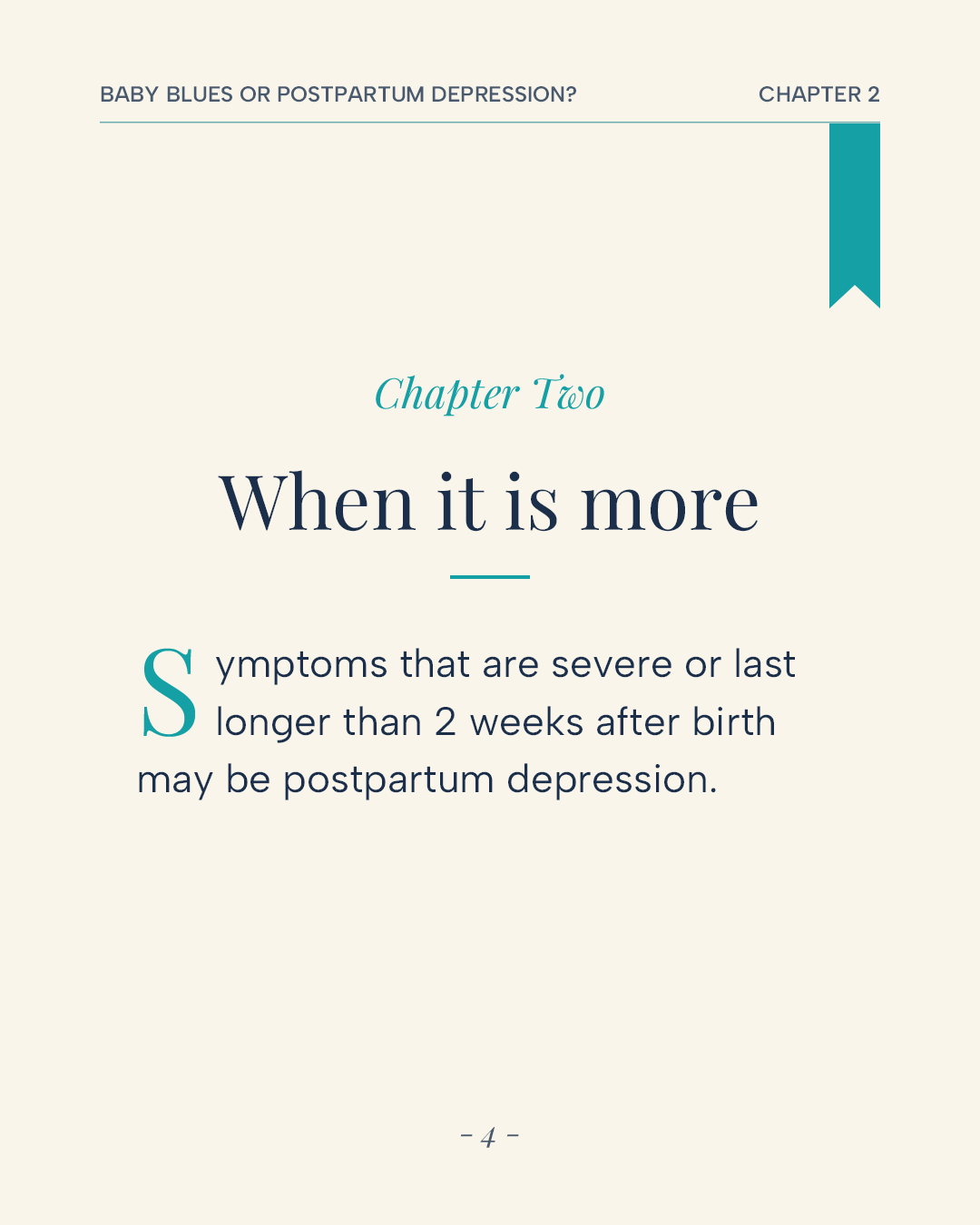
When it is more
- Symptoms that are severe or last longer than 2 weeks after birth may be postpartum depression.
It can start in pregnancy
- Depression can begin during pregnancy too, which is why clinicians use the term perinatal depression.
Never your fault
- Perinatal depression has no single cause, and no one is to blame for having it.
Partners feel it too
- About 8 to 10% of fathers have postpartum depression, especially when the mother is depressed.
What the guideline says
- The American Psychiatric Association says up to 85% of new mothers experience the baby blues, which are short-lasting and do not get in the way of daily activities.
- NIMH says symptoms that are severe or last longer than 2 weeks after childbirth may be signs of postpartum depression, and most episodes begin within 4 to 8 weeks after birth.
- Depression can also begin during pregnancy; clinicians often use the term perinatal depression to cover both.
- NIMH says perinatal depression does not have a single cause, and a woman is not to blame for having it.
- The APA estimates that about 8 to 10% of fathers experience postpartum depression, particularly when the mother is depressed.
- NIMH says treatment usually includes therapy, medication or both, and names cognitive behavioral therapy and interpersonal therapy.
Source: National Institute of Mental Health, Perinatal Depression (revised 2023)
Read the full article: Baby Blues or Postpartum Depression? How to Tell and When to Call →
This guide is general health information and does not replace advice from your own provider.
Frequently Asked Questions
The CDC adds crying more often than usual, feeling angry, feeling distant from your baby and doubting that you can care for your baby.
NIMH notes they are often the first to spot signs of depression in a new mother. They can encourage a talk with a provider, help with the trip to appointments and take on jobs such as caring for the baby or the home.
Yes. Hope Behavioral Medicine cares for adults with postpartum and perinatal depression by secure video anywhere in South Carolina, and in person in West Ashley.